3 May 2026
The Journal — Aurum & Isle — How to Tell If Jewellery Will Tarnish Before Yo...
How to Tell If Jewellery Will Tarnish Before You Buy
May 3, 2026 | Aurum & Isle
You buy a piece you love. Three weeks later it's dull, your skin has a green mark, and it's sitting in a drawer. The worst part? You could have spotted the signs before buying — if you knew what to look for. Here are five practical checks that tell you whether a piece of jewellery will tarnish fast or hold up for daily wear in Indian conditions.
Check 1 — What is the base metal?
This is the single biggest factor. Most fashion jewellery in India uses brass, copper, or zinc alloy as the base. None of these are tarnish-proof on their own — they all react to air, moisture, and sweat over time. The question isn't whether the base metal will react — it will. The question is what's sitting on top of it. A good coating delays the reaction. No coating means you'll see discolouration within weeks. If a product listing doesn't mention the base metal at all, that's your first red flag. Brands that are clear about material composition are usually more confident about their finish quality.
Check 2 — Is there an anti-tarnish coating?
Anti-tarnish coating is a protective layer applied over the base metal to prevent oxidation. Common types include rhodium plating, e-coat (electrophoretic coating), and PVD (physical vapour deposition). Each has different durability levels. The problem: most product listings say "anti-tarnish" without specifying the coating type. That's like saying "waterproof" without telling you if it survives a splash or a swim. If the brand specifies the coating — rhodium, e-coat, PVD — that's a better sign than just "anti-tarnish" on its own. Specificity signals confidence. Vagueness signals marketing.
Check 3 — Does it say nickel-free?
Nickel is one of the most common allergens in fashion jewellery. It's also one of the metals that tarnishes fastest when exposed to sweat and humidity. If a piece contains nickel, it's more likely to discolour — and it may irritate sensitive skin. "Nickel-free" doesn't mean the piece won't tarnish at all. But it removes one of the fastest-tarnishing metals from the equation, which usually means better longevity and fewer skin reactions. For daily wear in Indian weather — heat, humidity, monsoon — nickel-free is a meaningful quality signal. The Jewellery Care Guide has more on how different metals behave in different conditions.
Check 4 — Read the product description for material honesty
How a brand describes its jewellery tells you a lot about what you're actually buying. Look for clear, specific claims:
-
"Anti-tarnish coated alloy, nickel-free" — specific, verifiable
-
"Premium quality jewellery" — vague, tells you nothing
-
"Gold-like finish" — marketing language, no material claim
-
"18K gold-plated" — different category, different price point, different expectations
The more specific the description, the better you can judge. Brands that hide behind vague language are usually hiding something about the material. This is where reading beyond the headline matters. "Anti-tarnish coated alloy" and "gold-plated" sound similar but mean completely different things. One is a protective coating over affordable metal. The other is a thin layer of actual gold. Both have their place — but they're not the same product, and they don't last the same way.
Check 5 — Look for price-to-claim alignment
If a piece claims to be "18K gold-plated, anti-tarnish, waterproof" and costs ₹299, something doesn't add up. Good coatings cost money. Nickel-free alloys cost more than standard brass. Honest pricing reflects honest materials. This doesn't mean expensive = good. It means suspiciously cheap + premium claims = probable disappointment. A ₹589 snake chain with clear anti-tarnish alloy claims is more trustworthy than a ₹199 chain claiming "gold-plated, never tarnishes." Price-to-claim alignment is one of the fastest filters. If the claims sound too good for the price, they probably are.
What to do if you've already bought jewellery that tarnished
First — wipe it gently with a soft, dry cloth. Sometimes what looks like tarnish is just surface moisture or product buildup. A light wipe can restore the finish. Second — store it properly. Open air, bathroom humidity, and direct sunlight speed up tarnish. A dry pouch or closed box in a cool room makes a real difference. Third — adjust your expectations for the price point. A ₹200 piece with no coating claims was never going to last like a ₹589 piece with anti-tarnish coating. That's not a defect — it's a buying decision. Next time, check the five signs above before you buy.
The short version
Before you buy any piece of jewellery for daily wear, check these five things:
-
Base metal — is it specified?
-
Anti-tarnish coating — is the type named?
-
Nickel-free — does the listing say so?
-
Material description — specific or vague?
-
Price-to-claim — does it make sense?
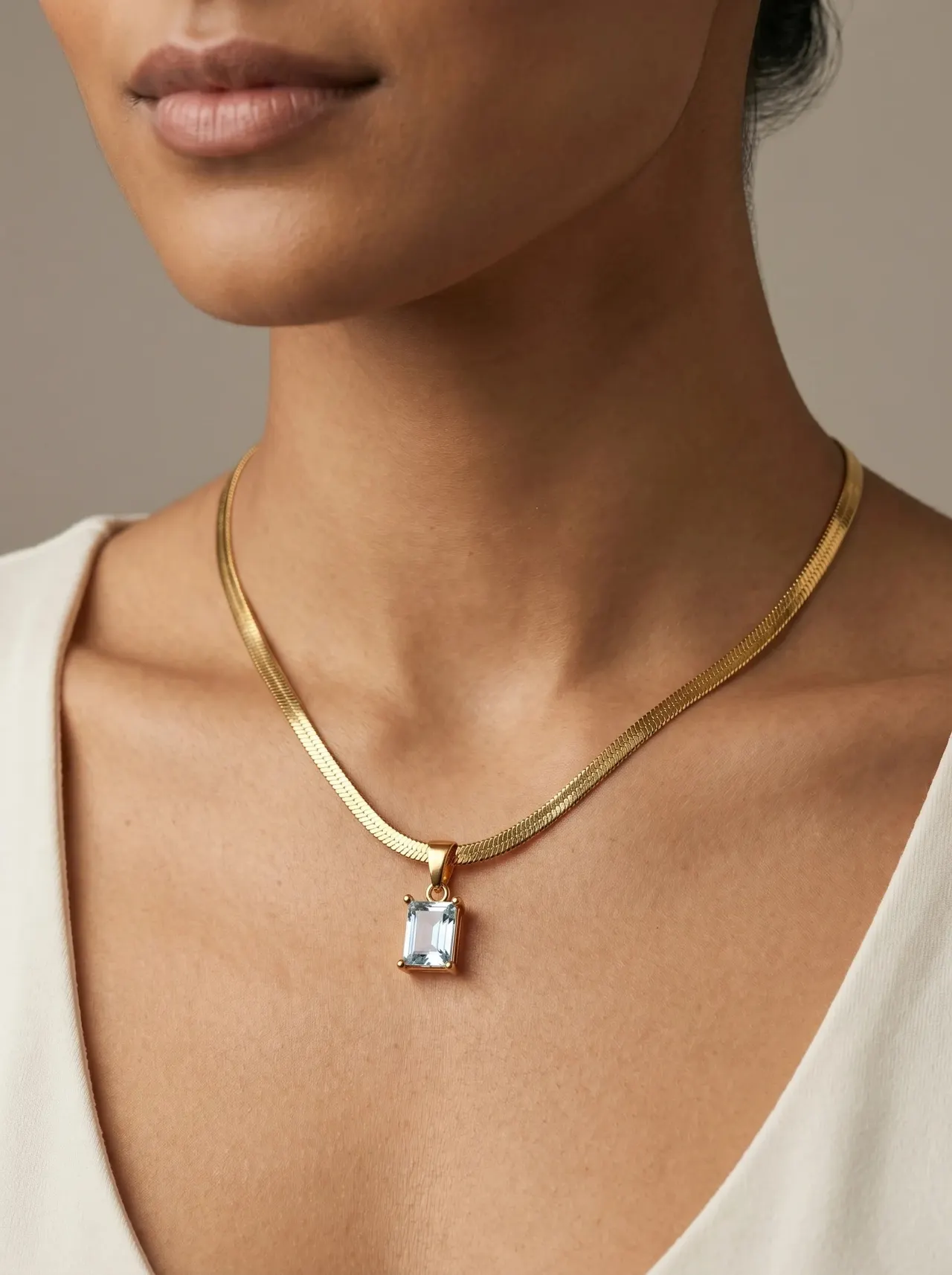
Pieces that clear these checks are built for repeat wear. Pieces that don't are built for one-time styling. Neither is wrong — but know what you're buying before you buy it. Want a deeper dive into how coatings actually work? Read What Is Anti-Tarnish Jewellery? Why It's the Smartest Buy in 2026. And if skin sensitivity is part of your concern, Nickel-Free Jewellery — Why It Matters for Your Skin covers that in detail. Looking for jewellery that's clear about what it's made of? The Soleil Snake Chain Pendant — anti-tarnish coated alloy, nickel-free, ₹589. No vague claims, no hidden surprises. Shop The Full Edit for every piece in the collection. ✦
Frequently Asked Questions
How do I know if jewellery will tarnish before I buy it?
Check five things: is the base metal specified, does it mention anti-tarnish coating, is it nickel-free, is the material description specific or vague, and does the price match the claims. Jewellery that clears these checks is built for longer daily wear.
Does anti-tarnish jewellery really not tarnish?
Anti-tarnish jewellery has a protective coating that resists discolouration — but it's not indestructible. Under daily wear in Indian conditions, a good anti-tarnish coating lasts 12–24 months. Proper care (keeping it dry, storing it well) extends that further.
What makes jewellery tarnish faster in India?
Heat, humidity, monsoon moisture, and sweat are the biggest factors. Indian weather accelerates tarnish compared to dry climates. Wearing jewellery during workouts, sleeping in it, or exposing it to perfume and lotion also speeds up the process.
Is nickel-free jewellery less likely to tarnish?
Yes, generally. Nickel is one of the fastest-tarnishing metals when exposed to sweat and humidity. Removing it from the alloy improves both skin safety and longevity — especially for daily wear in warm, humid conditions.